Video
Flickering
2009
Single-Channel HD installation
Loop
Introduction
The road is often not very long. Shorter than you might think. From normality to madness. Peter Granser took that road. He drove to a madhouse, in the French countryside.Madhouse. How uncouth. Today we call such places "psychiatric institutes," "centers for the mentally ill," or something like that. But Granser sought out a direct route to insanity. And that's what can be found behind the façade of technical terms and names. So he drove out to the insane asylum, the place where madness is an everyday thing.
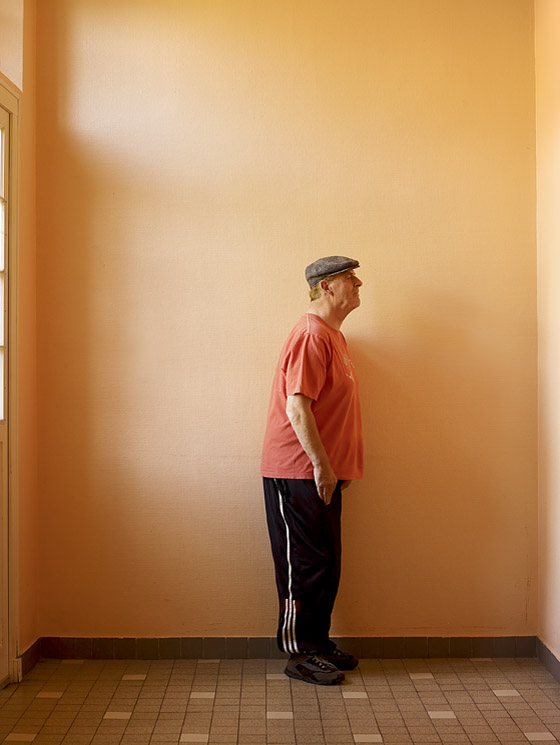
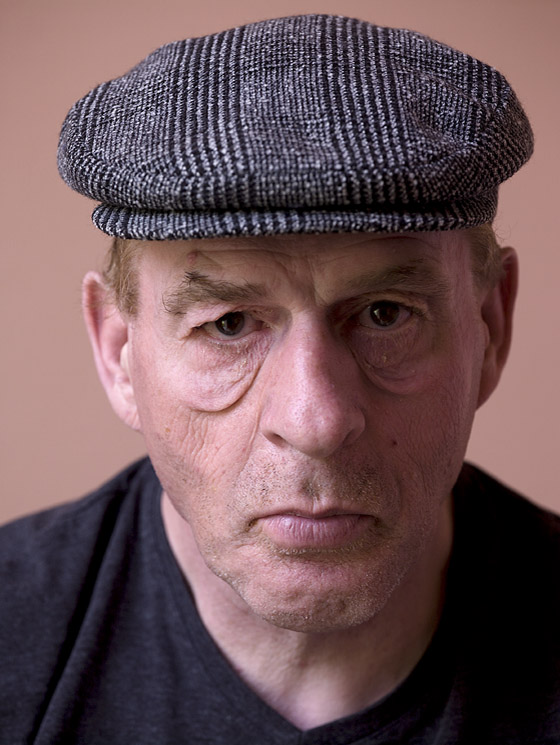
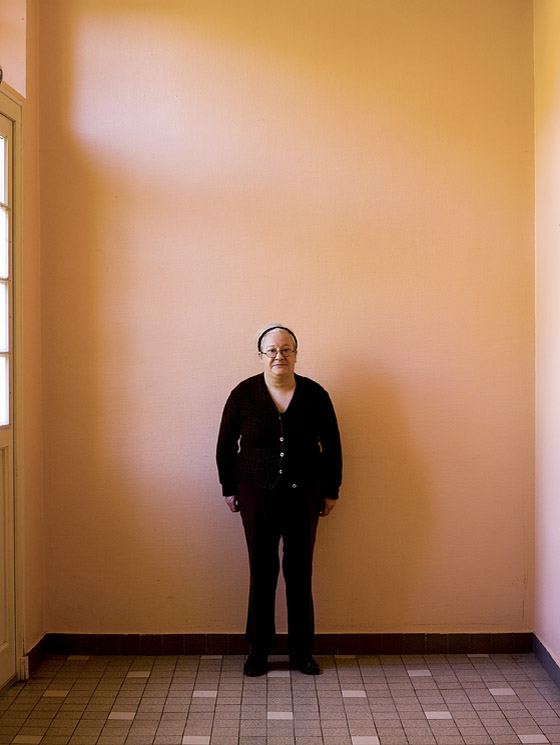
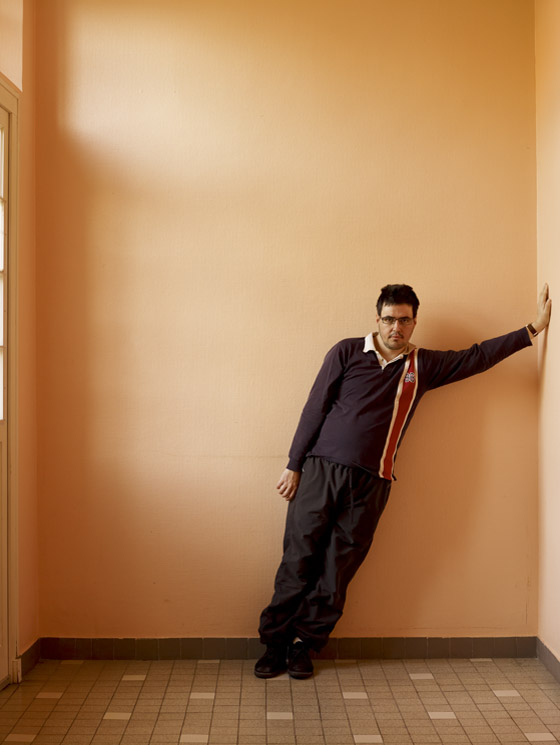
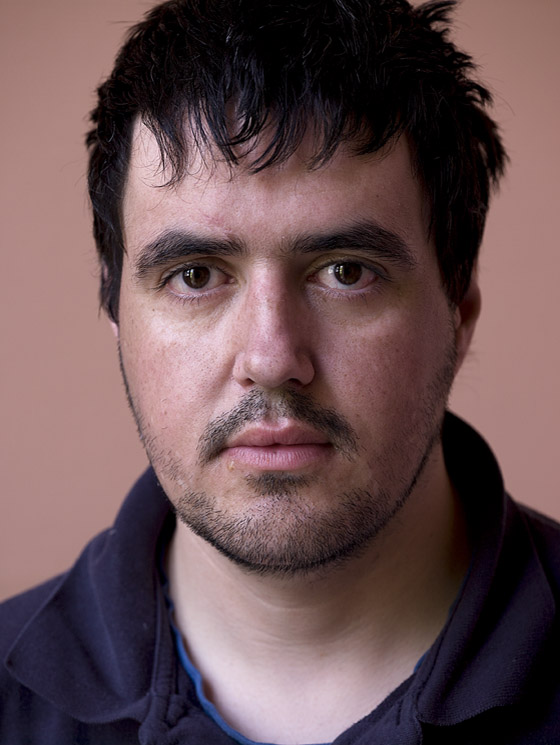
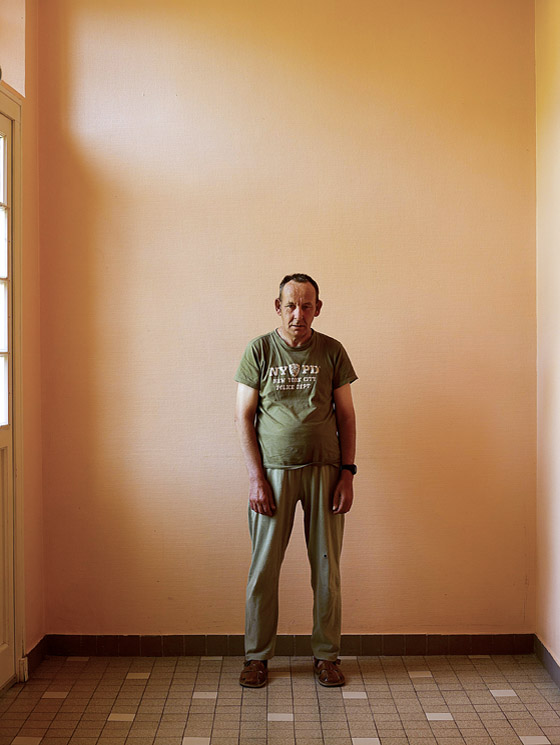
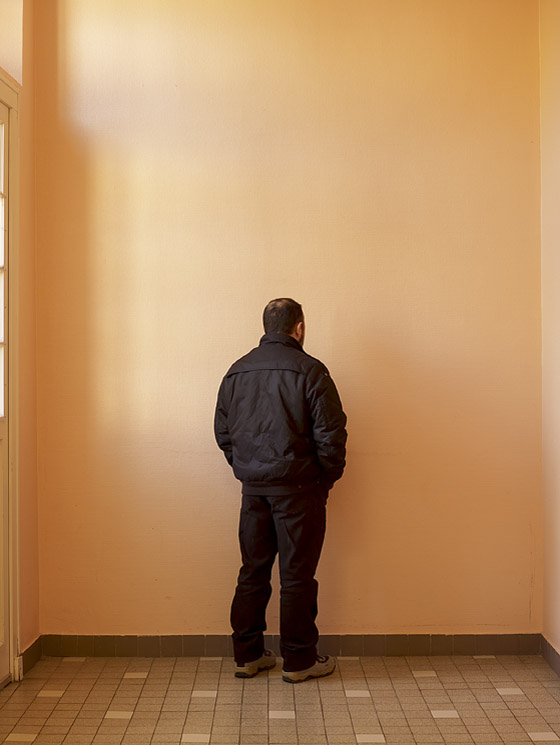
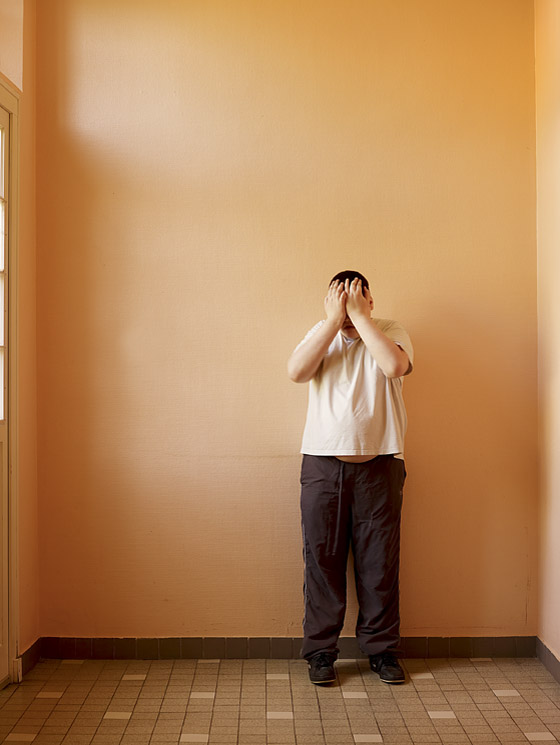
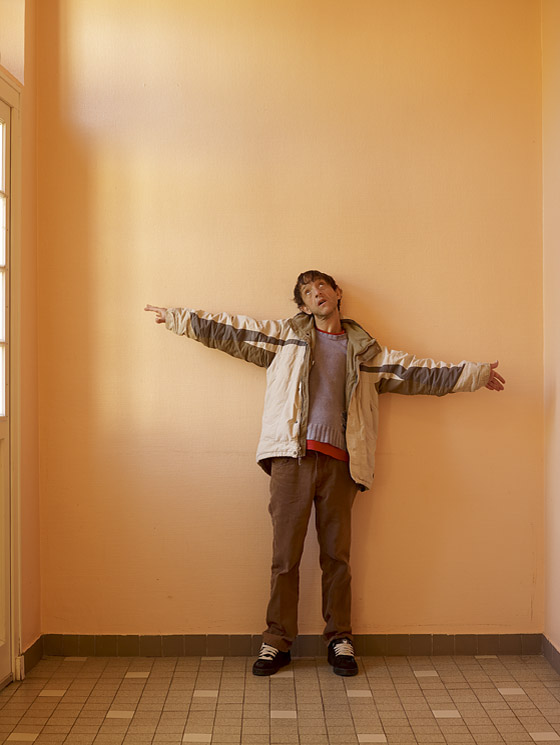
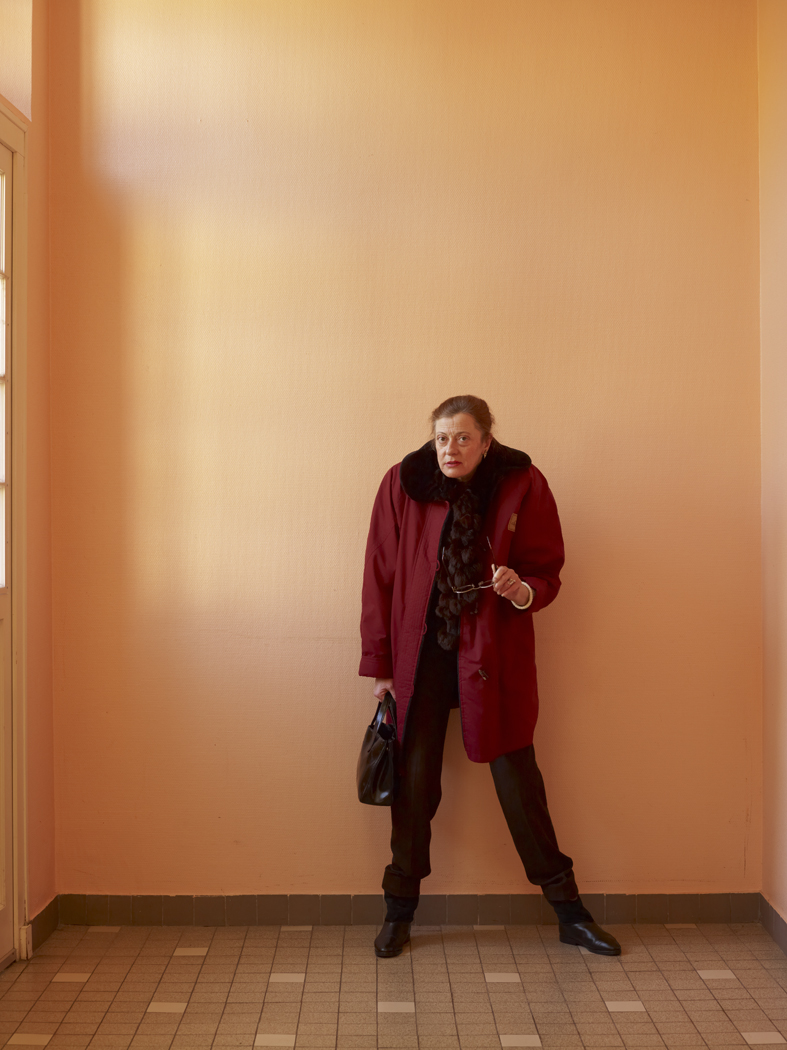
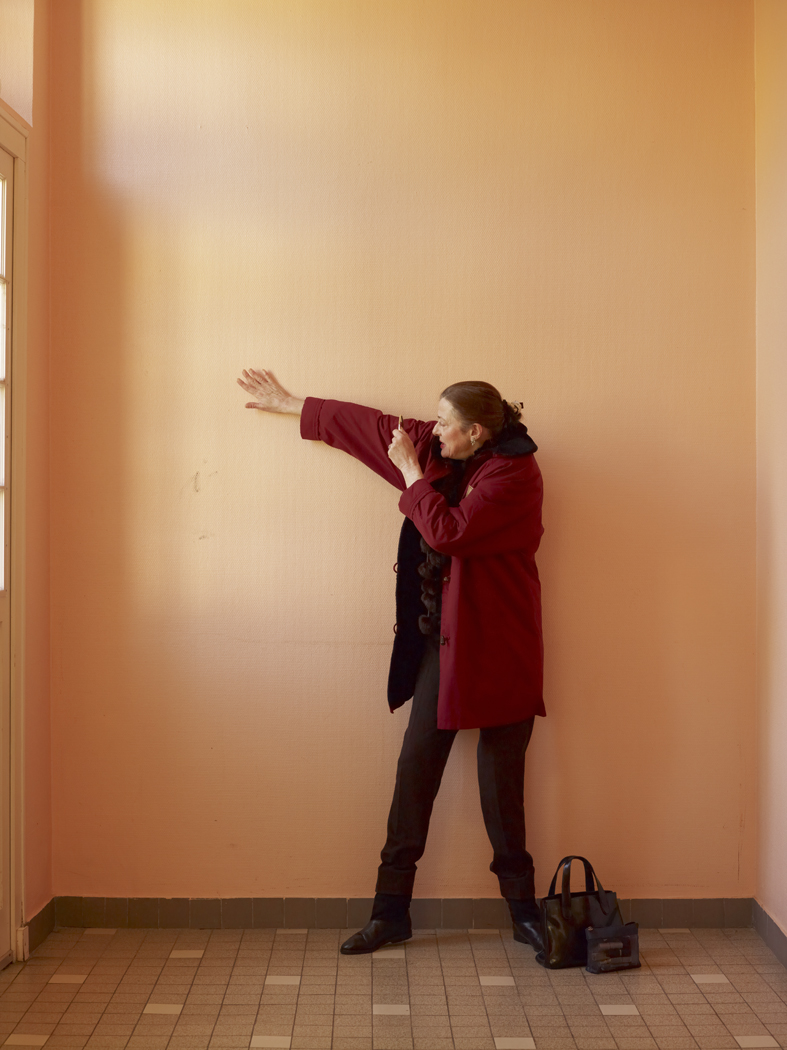
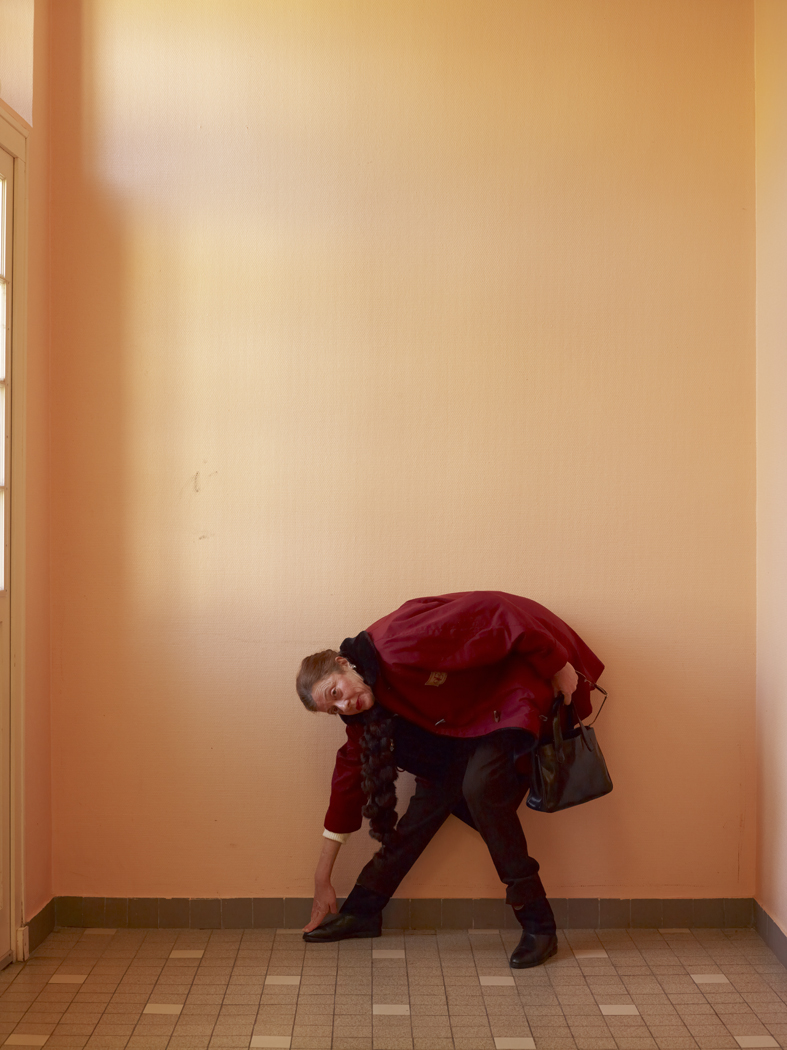
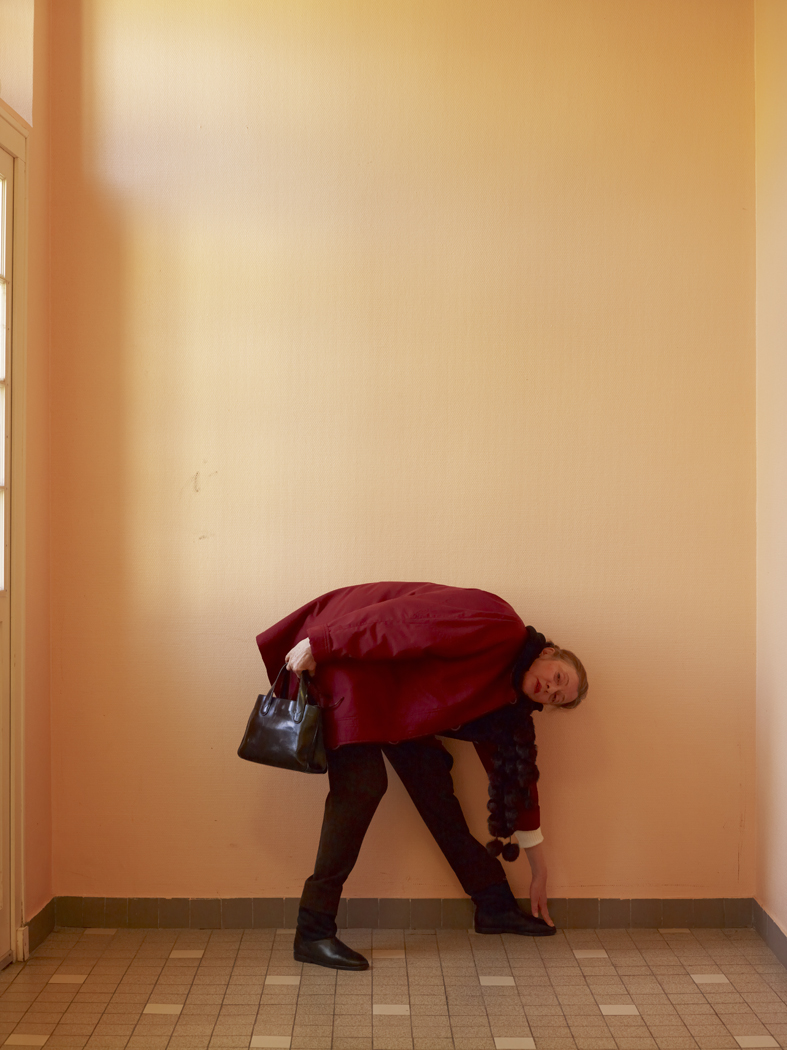
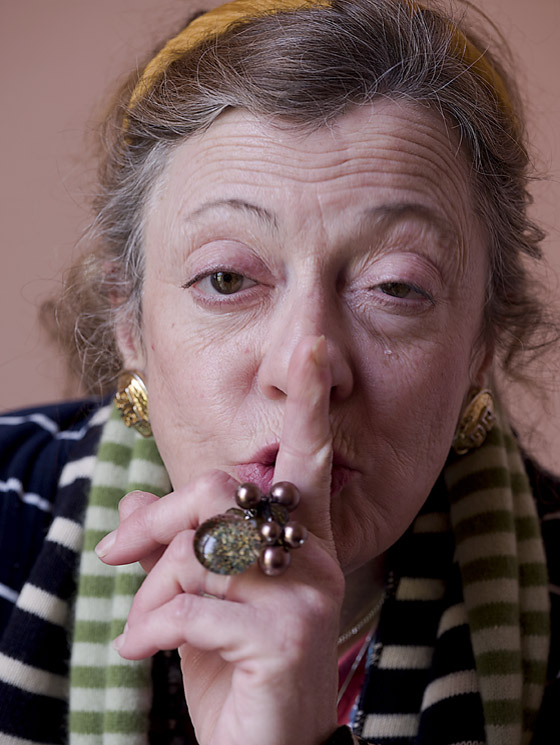
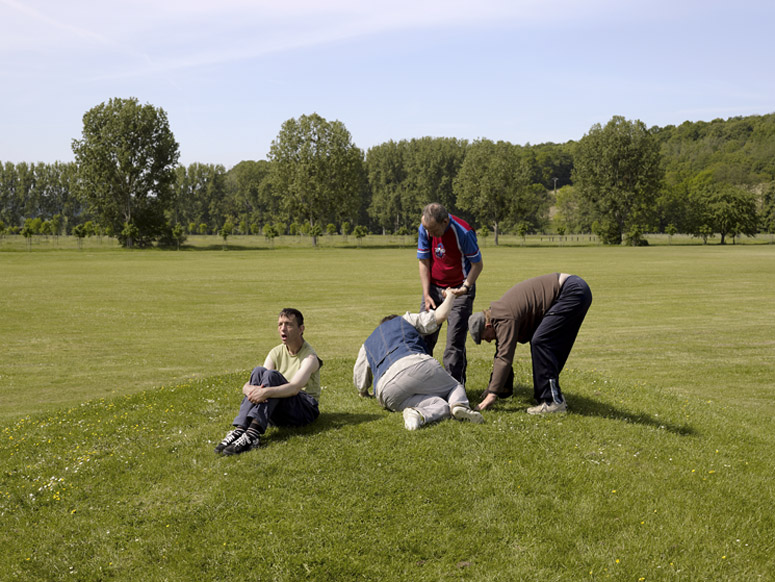
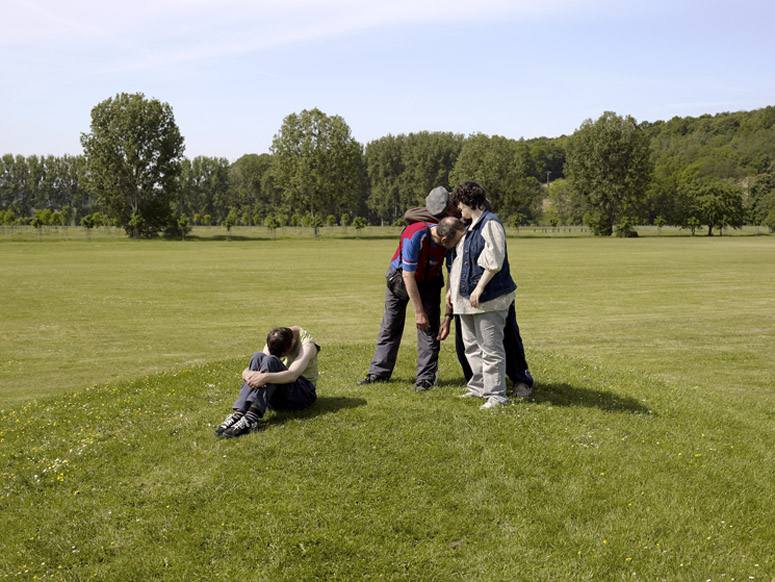
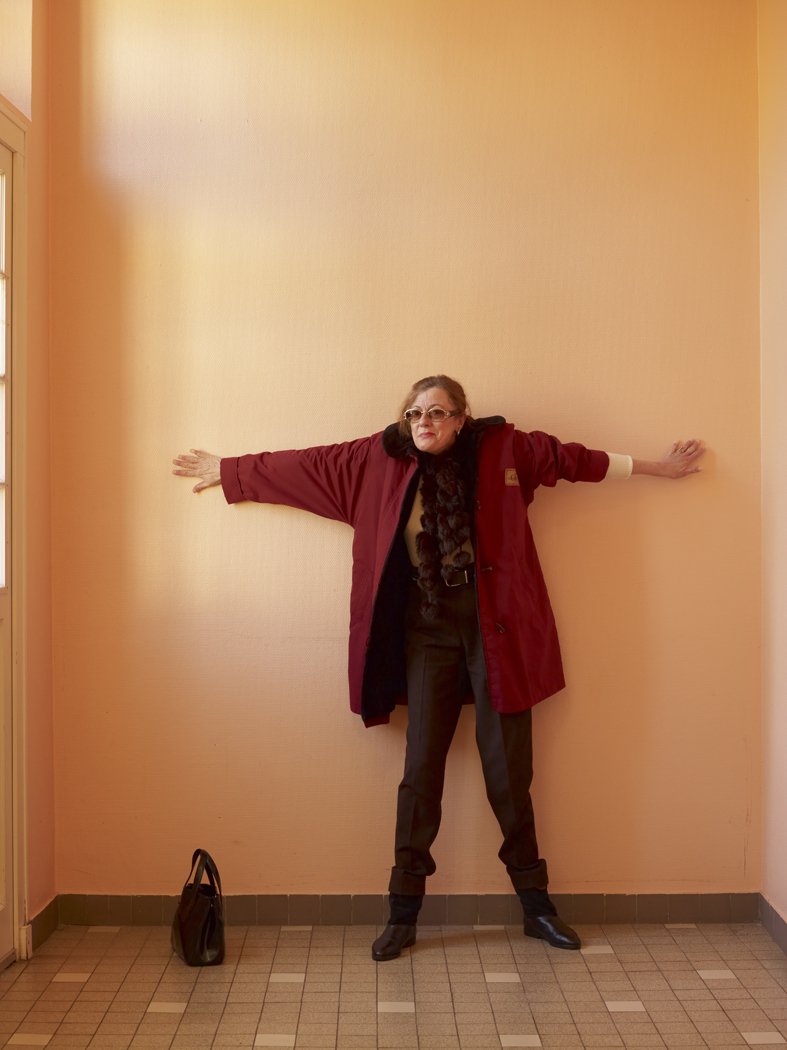
How to approach insanity? Can a photographer really provide any insights into this phenomenon? Nothing would be more obvious than to make madness into a spectacle, to put the mentally ill on show like so many interesting specimens. We've seen the shattering images from Romanian asylums: people kept like animals, in dirt and rags, mouths silently screaming in lightless cells. Sheer horror. Peter Granser chose a different path. He was not intrigued by the spectacular outer manifestations; he wanted instead to develop his image of the world of insanity from the interior perspective. It took some time before he was able to find an institution that was prepared to open its gates. In Germany, unthinkable. In France, however, he met a doctor who was willing to give him a look behind the scenes at life in his institution. Step by step, Granser got closer to this strange new world. He became acquainted with the patients, their fates, their joys and compulsions. From the very start, he tried to develop a view of them that would not expose them in his images as mentally unstable. They should just be themselves. Only, it was soon plain to see that it was this very self, this ego that the people here had lost hold of. Destroyed, injured, shattered. Insanity is the loss of self. "J'ai perdu ma tête." As in the case of Jean-Jacques, who had to watch as his family burned to death next to him in the car, or Guy who is usually very tranquil, and then suddenly feels the need to bang his head against the wall. With all his might. People like him can only feel they're alive when they hurt themselves or when they keep rubbing the same spot, as if they either wanted in or out. Pascale is impeccably groomed. A Grand Dame. She is the most beautiful one. She knows it and the others know it as well. But whether she was really a model once and a member of high society, no one can say for sure. Including Luise. She's always ready to go. Every day she packs her suitcase and puts on her travel coat, in preparation for the day when it's finally time to leave. Every day. It's all crazy. A life of madness.
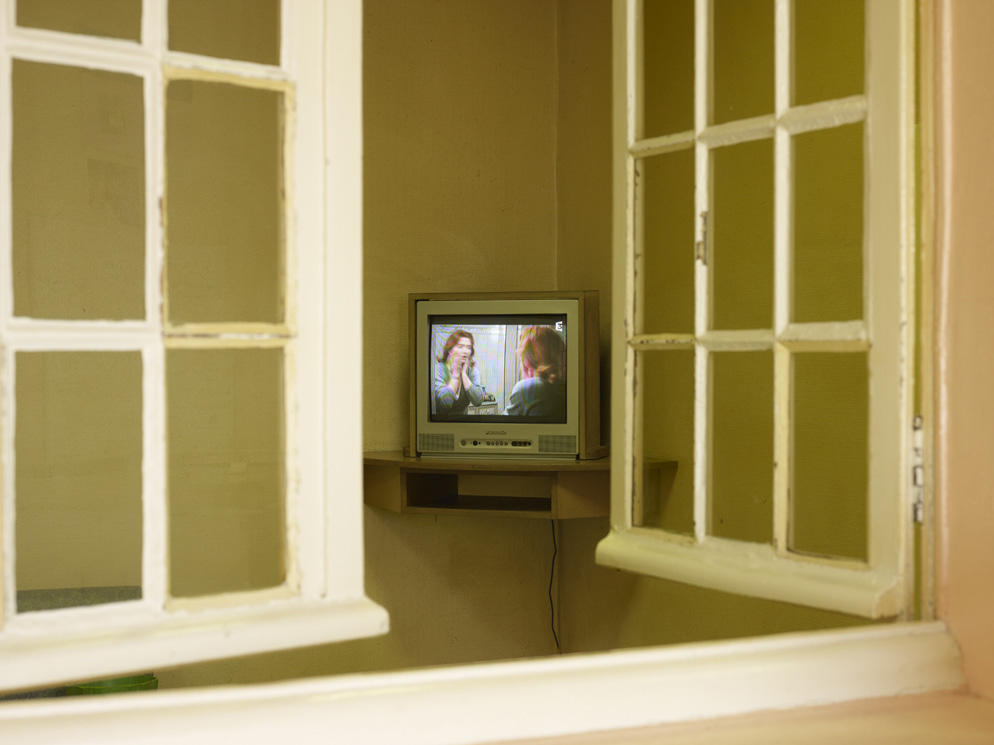
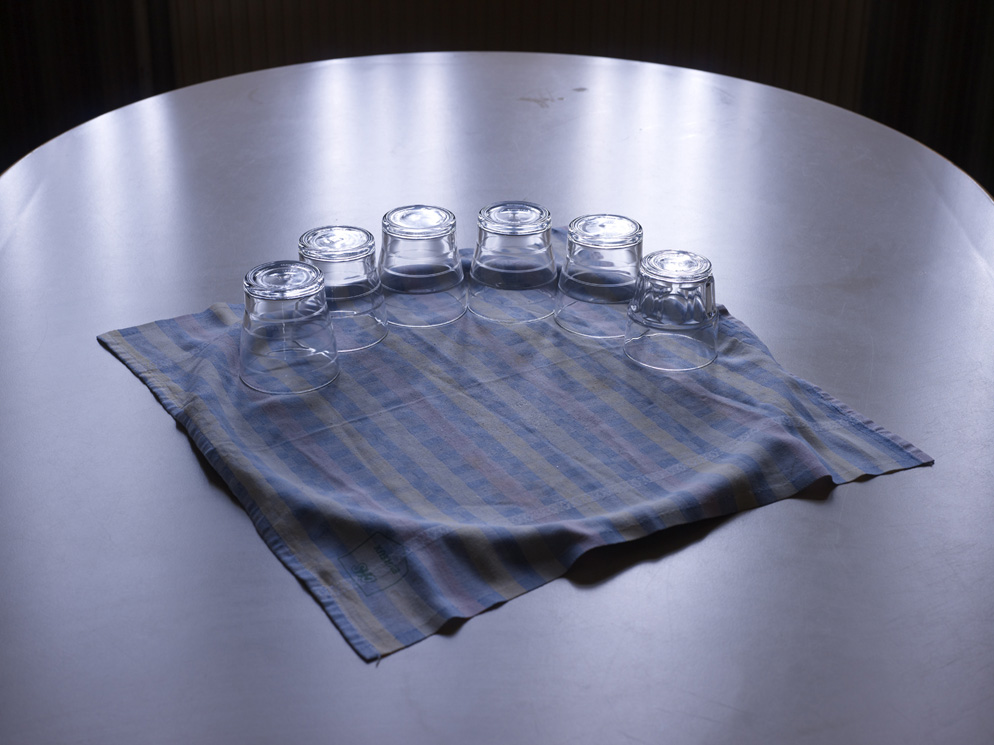
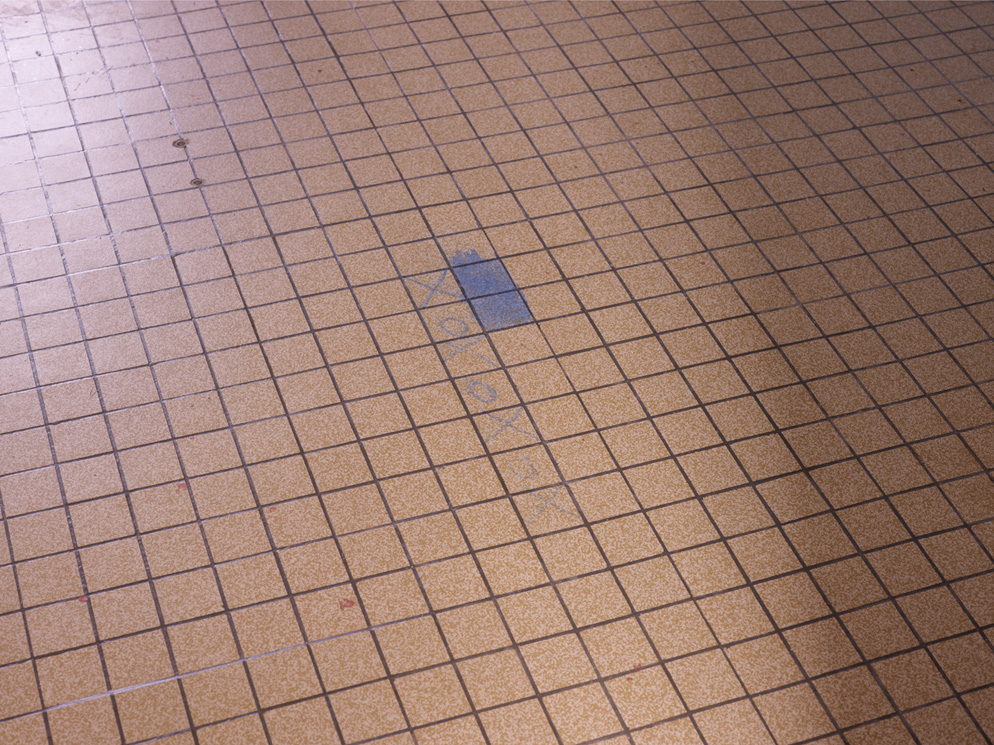
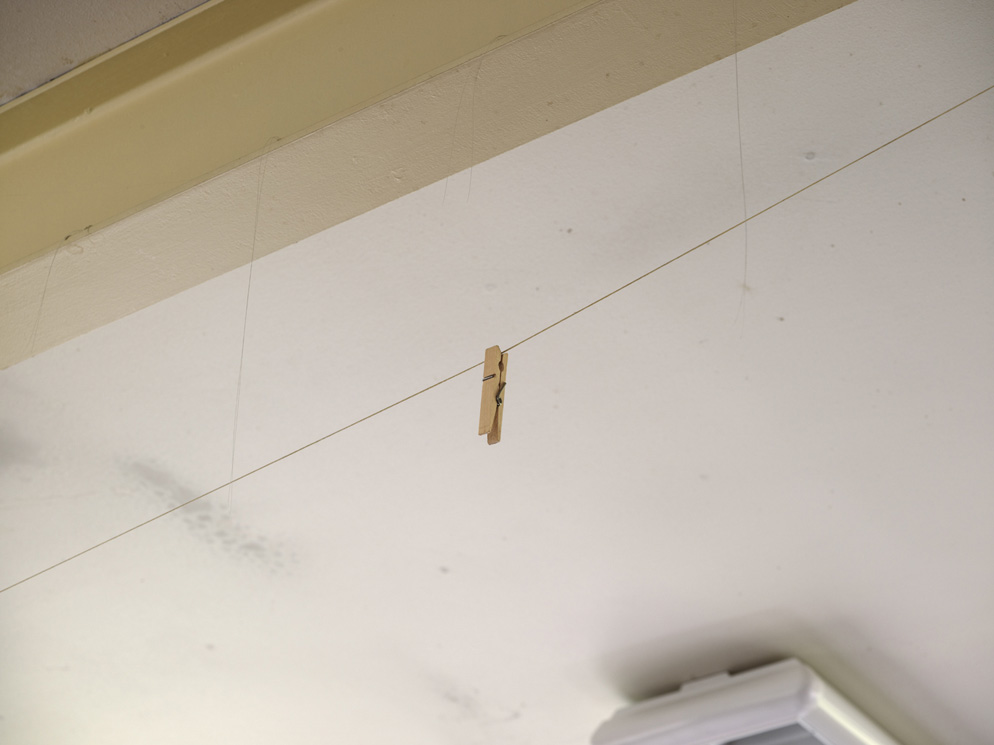
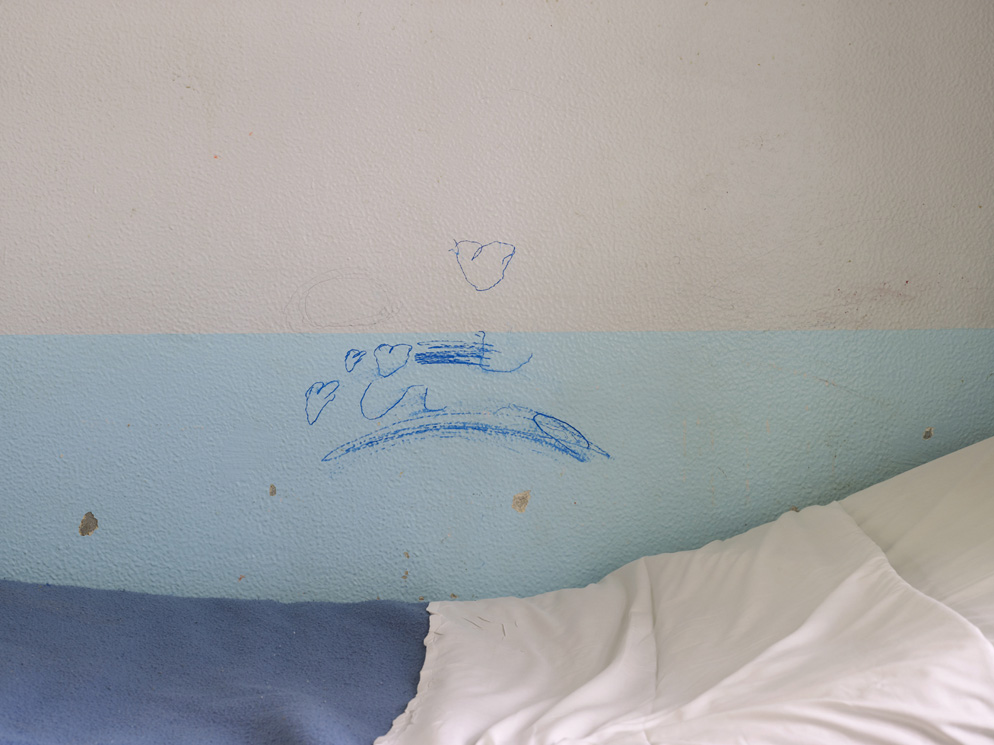
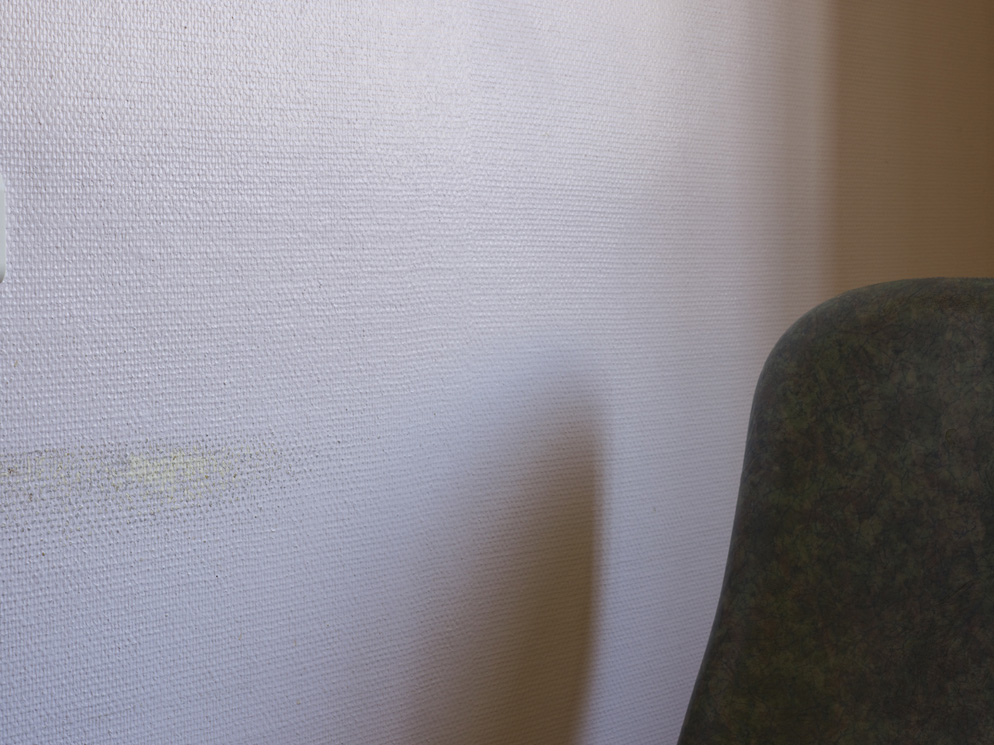
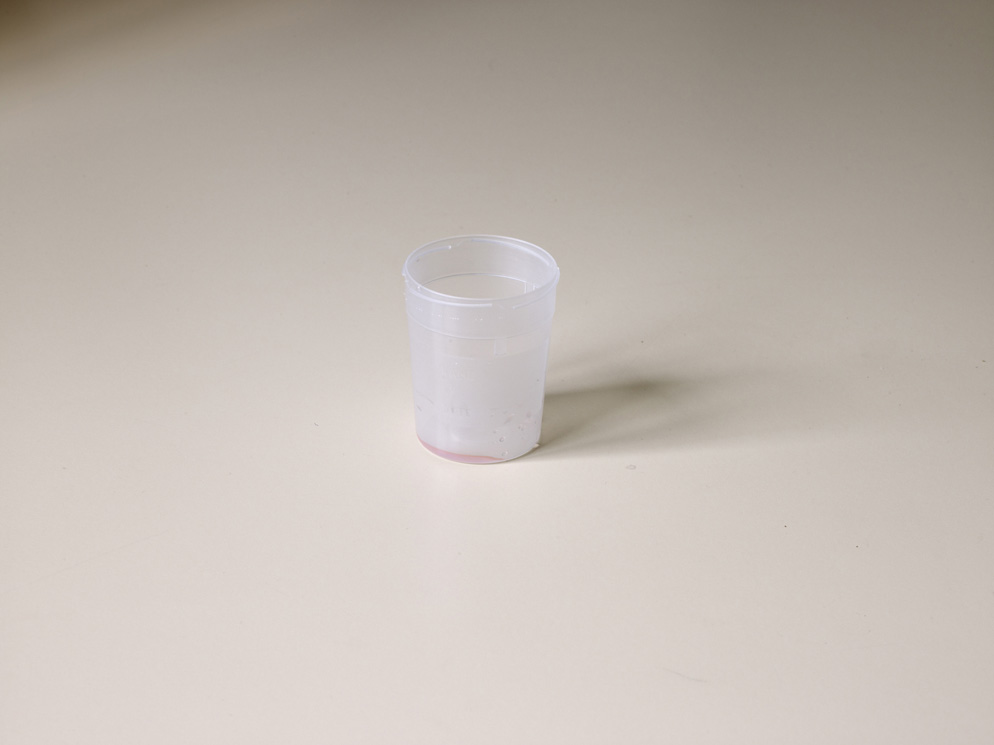
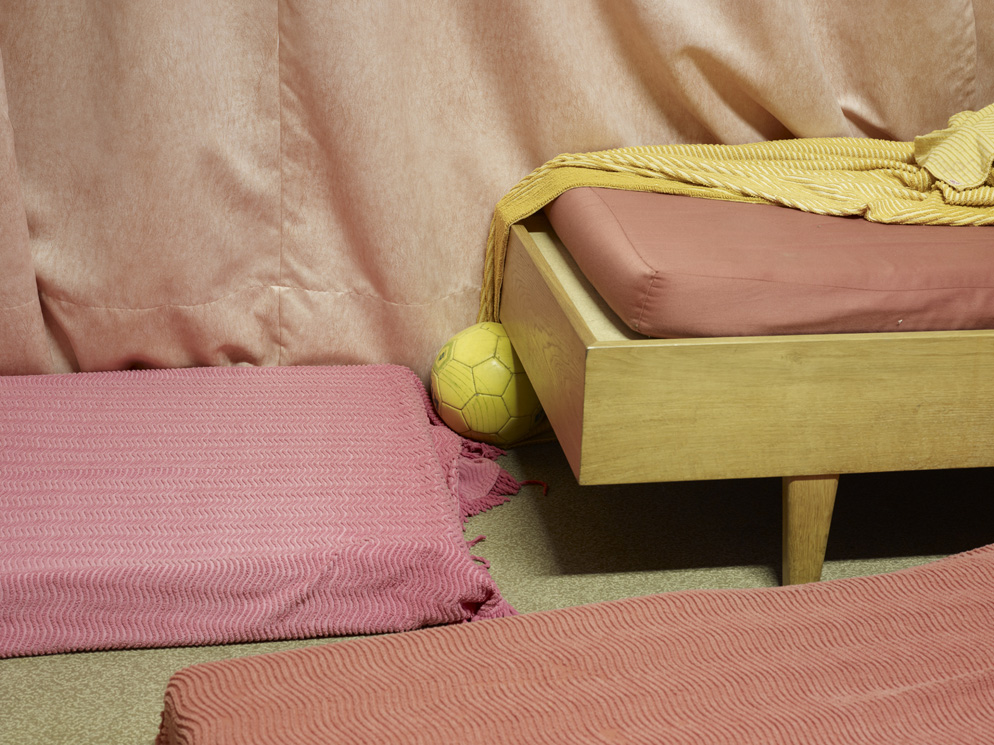
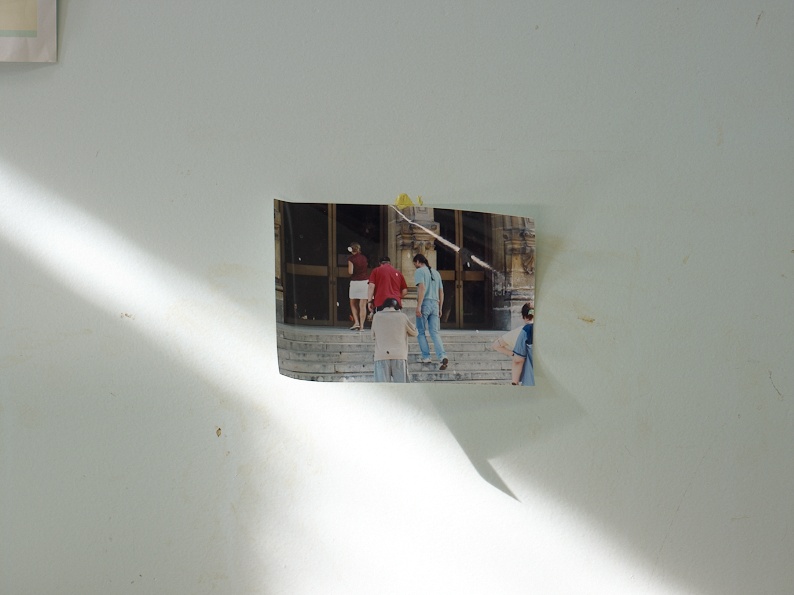
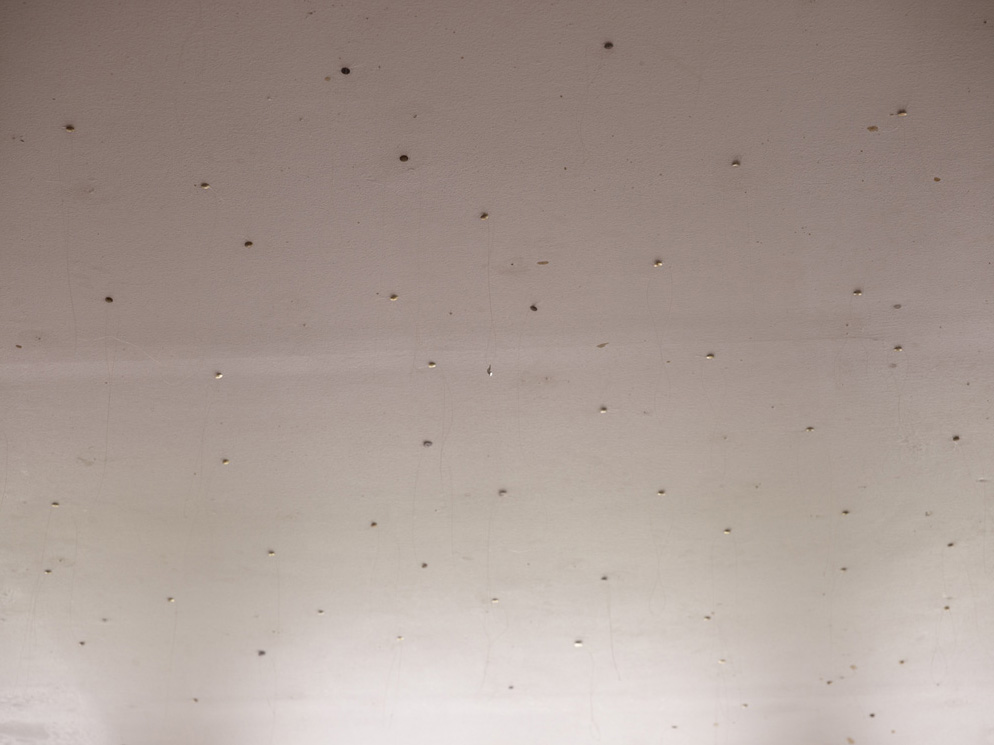
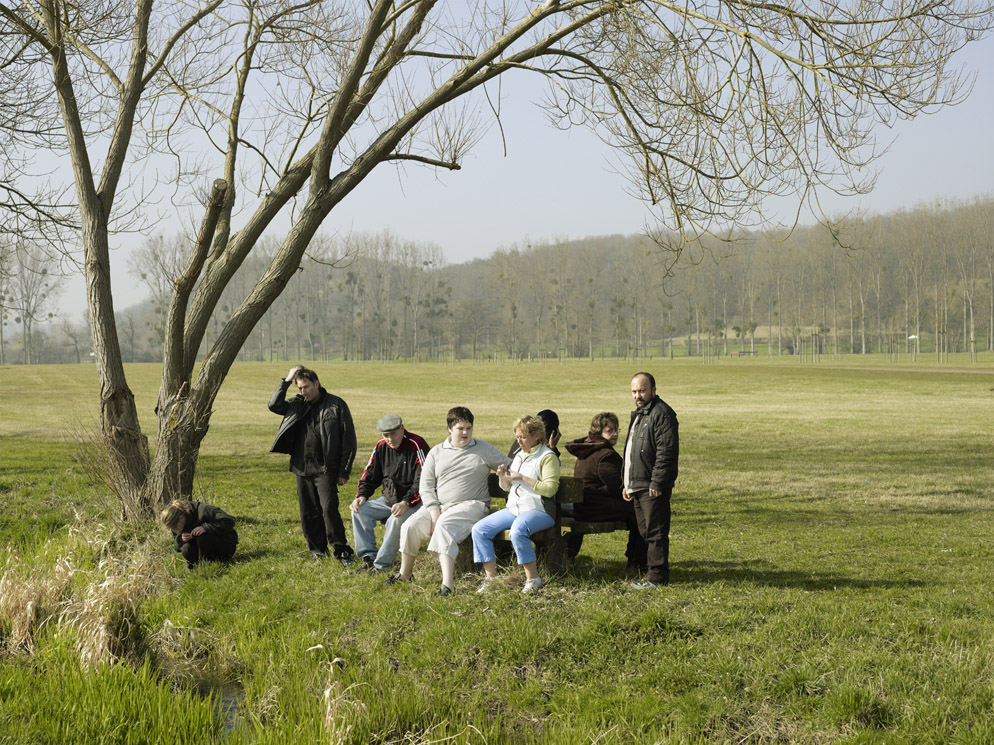
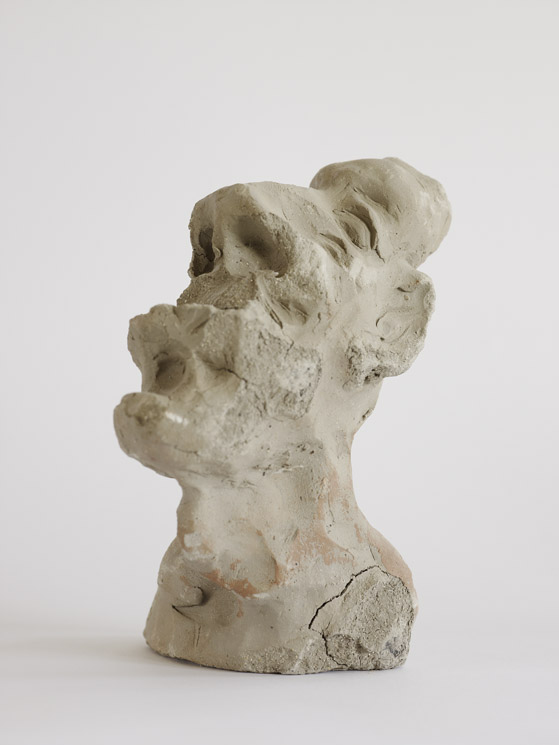
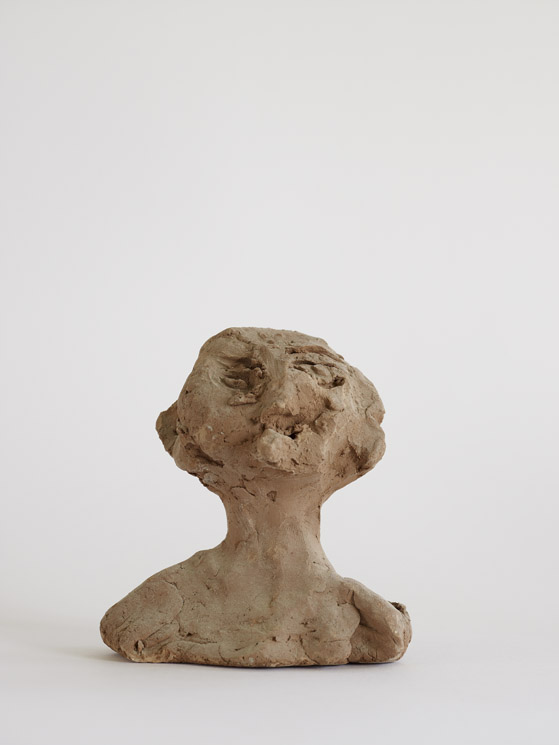
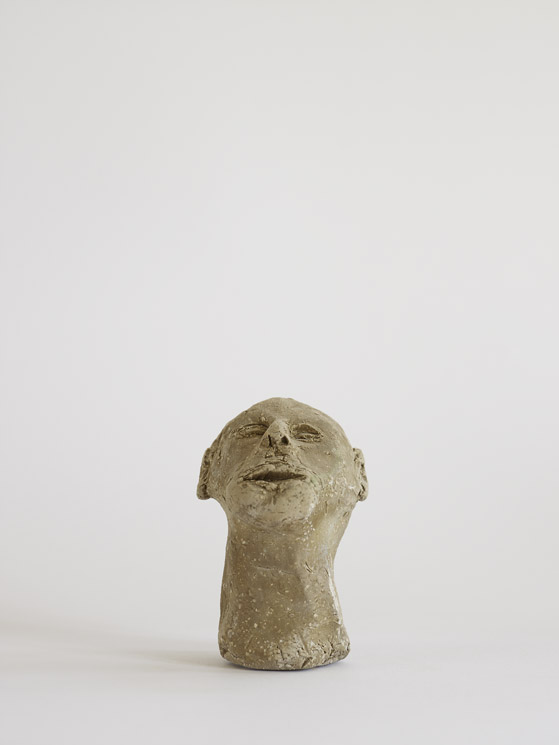
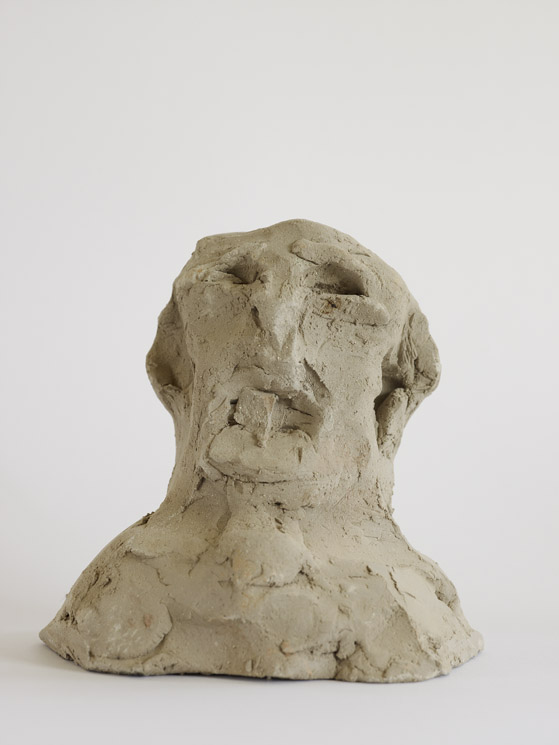
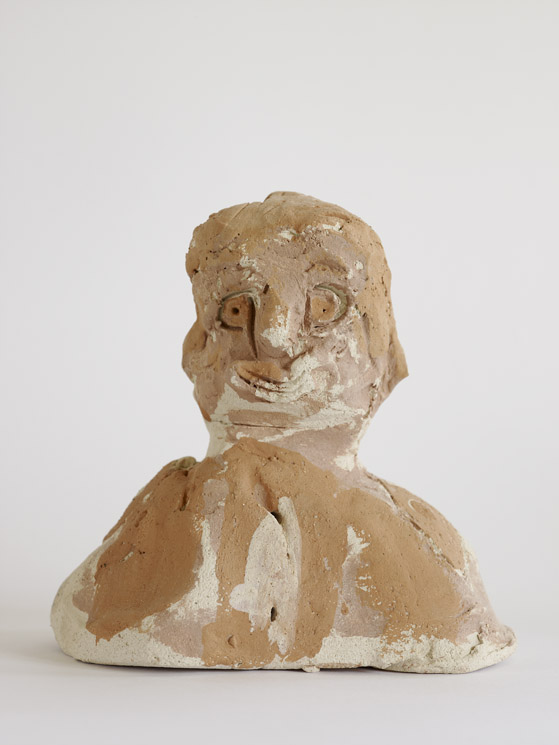
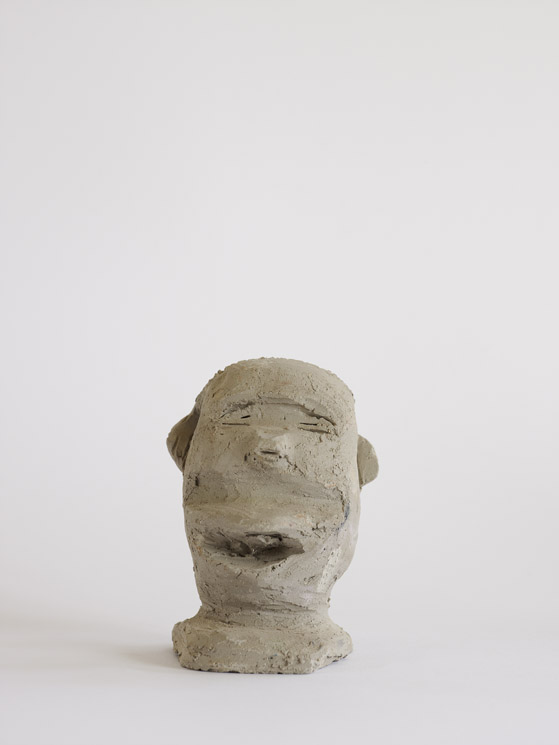
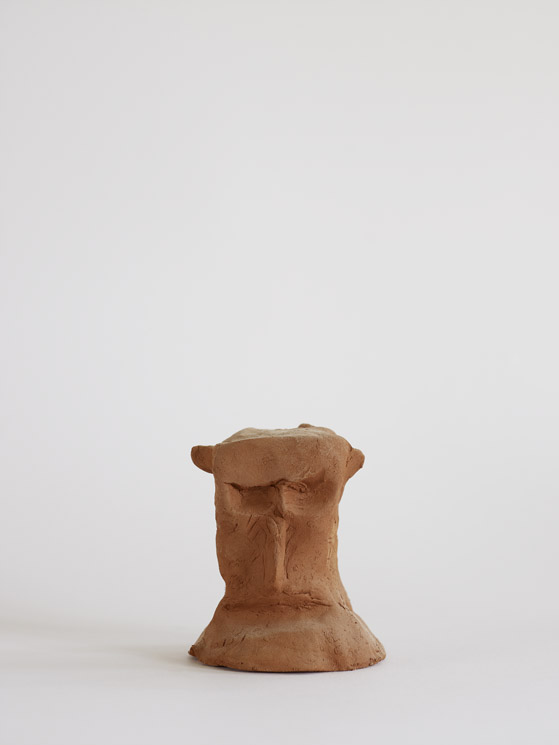
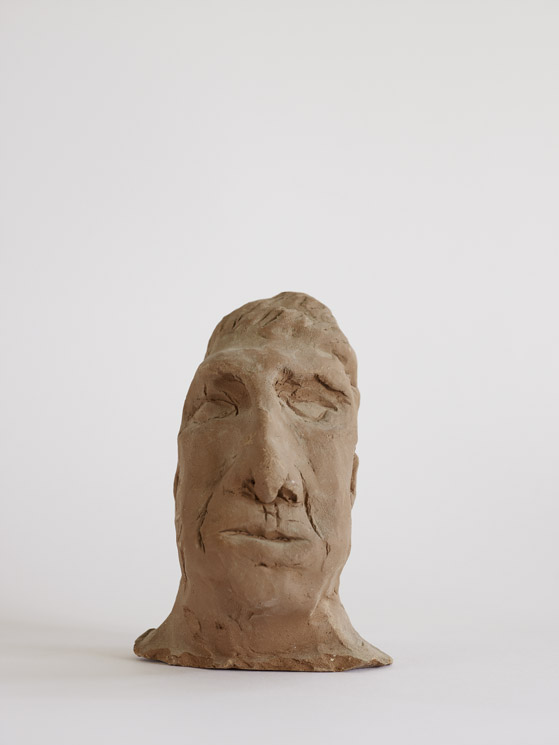
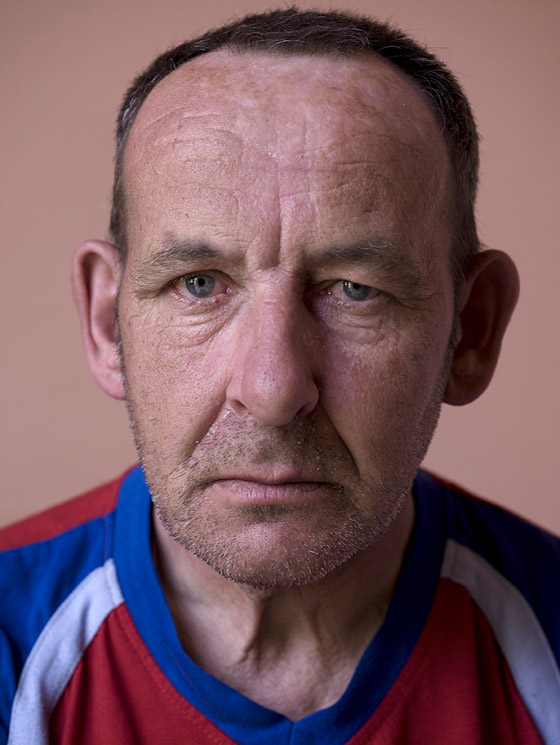
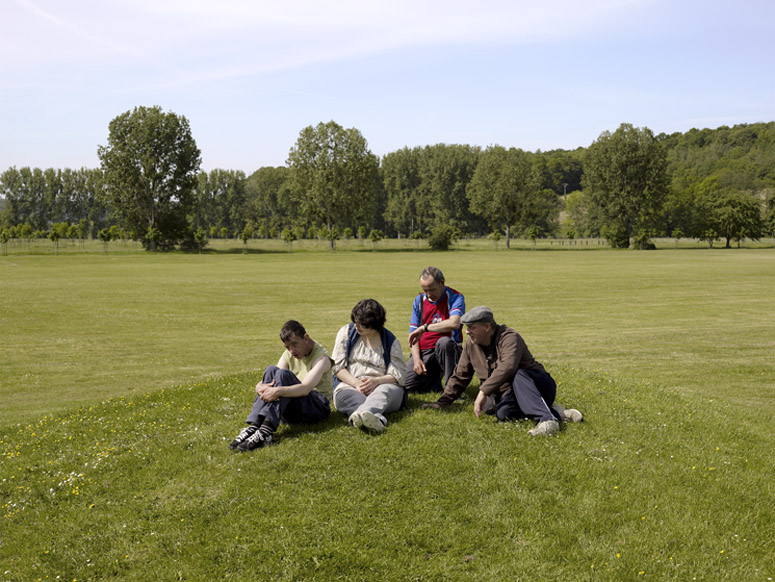
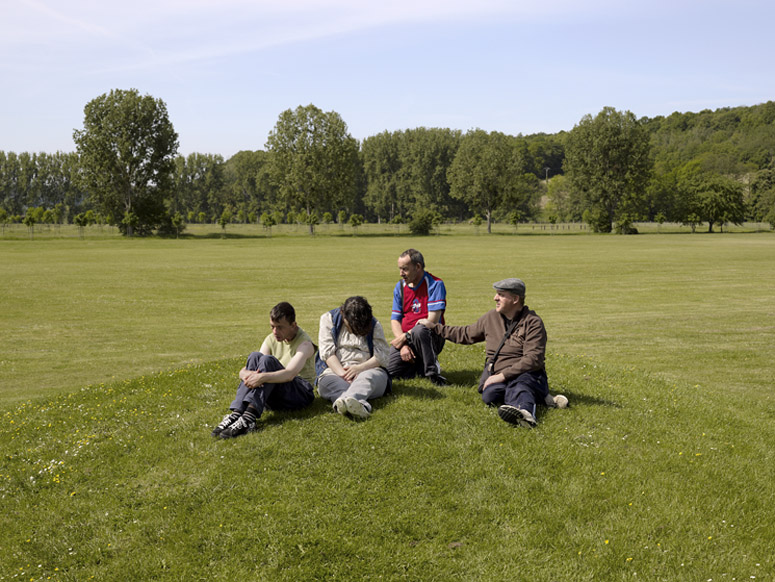
Granser took part in these people's everyday lives in the institution, lived nearby, spent time with the patients, watching television, in the dining room, at art therapy sessions. Life here has a strict rhythm. Rituals as substitute for normality. There are times to eat, times to work, excursions, bedtime. The more Granser immersed himself in this institutionalized lifestyle, the more his senses became honed to the fine traces that insanity leaves behind in the simple things occupying this daily existence - the spots on the wall, the drawings on the floor, an unmade bed. In time, people began to trust him. They looked forward to the photographer's visits and let him further and further into their world, showing him their rooms with their pictures, drawings, personal and ordinary objects. Sometimes there were monitored excursions outdoors for those who had displayed good behavior, and they asked Granser to accompany them. The first group pictures were taken. Granser was even permitted to photograph the clay figures created in art therapy class. But it took until the very end of his stay before he could make individual portraits. They finally entrusted him with their faces, their gazes, in which the damage and disturbances to their psyche are laid bare. At no time did Granser abuse this trust, by for instance eliciting spectacular images from this hard-won intimacy. He always stays at a respectful distance, no matter the situation, remaining a silent, even a cool, observer. Nowhere does he succumb to the seduction of the superficial. He documents neither sensational scenes nor individual fates. We never know which signs, which signatures belong to which people. Granser recently captured such traces in short video and audio sequences as well, resulting in acoustic and visual miniatures telling of the unsettling strangeness and hermetic inscrutability of this other world. Granser's pictures from the insane asylum make do without any freak-show thrills or horror scenarios. They unfold their intensity through the photographer's reserved gaze and intimate familiarity with his subject. These are compositions made up of nuances, of suggestions and presentiments, images that do not show the grimacing mask of insanity, bur rather its human countenance. It is an eerily familiar face. We know it from the mirror and sense that the way there can be short, shorter than we think. From normality to madness.
Tobias Wall
August 25th, 2009